Spatial datasets and conservation prioritisation models are are expected to play an increasingly central role in identifying areas for protected and conserved area expansion under Target 3 of the Kunming–Montreal Global Biodiversity Framework (the 30×30 target). Yet across scales these approaches can overlook or oversimplify the social realities of the people living in candidate areas, which can mischaracterise the social implications of conservation plans and risk producing unjust conservation networks (Sandbrook et al. 2023).
Building on work initiated under the Science for Nature and People Partnership (SNAPP) project The Social Implications of 30×30, this project examines how different spatial approaches to meeting Target 3 intersect with human populations and their diverse socioeconomic conditions. I now aim to advance this work through further analytical development and complementary national-level assessments that provide finer-scale insights and allow comparison across different planning and governance contexts.
Using population, development, livelihood, and other socioeconomic datasets, I will explore what existing social data can reveal about the people living in areas identified for conservation under different spatial scenarios. This includes identifying gaps in social visibility, comparing the potential social outcomes of alternative spatial strategies, and examining how insights shift with different area-based measures and governance models — such as strict and multi-use protected areas, OECMs, or the recognition of Indigenous and traditional territories.
Ultimately, this work seeks to clarify what kinds of social information current datasets can meaningfully contribute to conservation assessments, and how such evidence can support more just and equitable approaches to implementing 30×30 across scales.
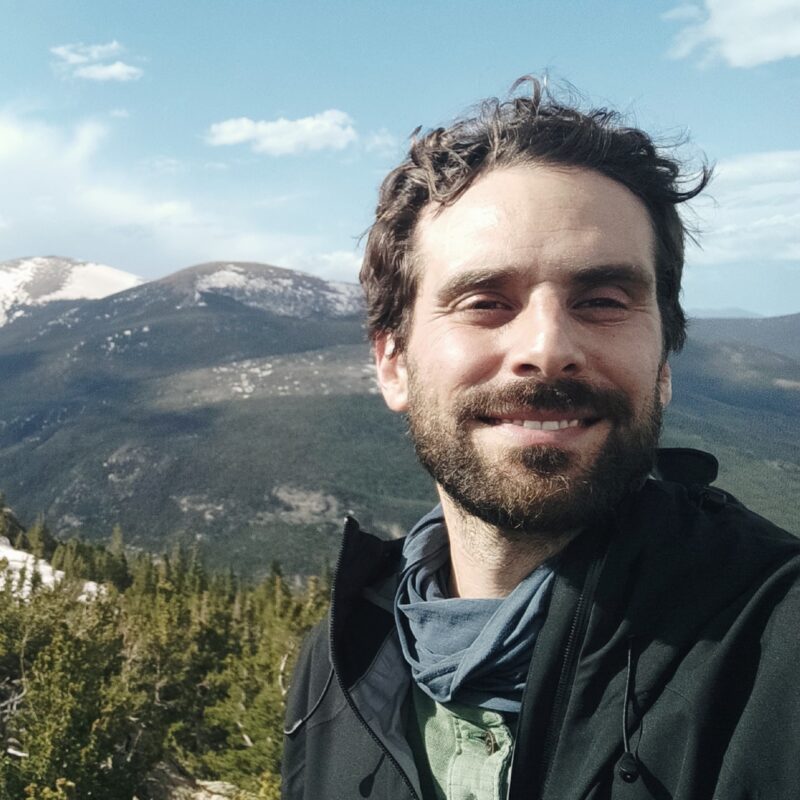
Javier Fajardo
Postdoctoral Researcher